A year ago this month, Pocket shut down. Mozilla gave its millions of users a few months' warning, an export button, and a July 8, 2025 deadline, then turned the lights off. It was the biggest single test the read-it-later category has ever run: what actually happens when you take away the tool tens of millions of people used to save things for later?
The honest answer, a year out, isn't "everyone found a new Pocket." It's stranger than that.
Most exported files never got opened again
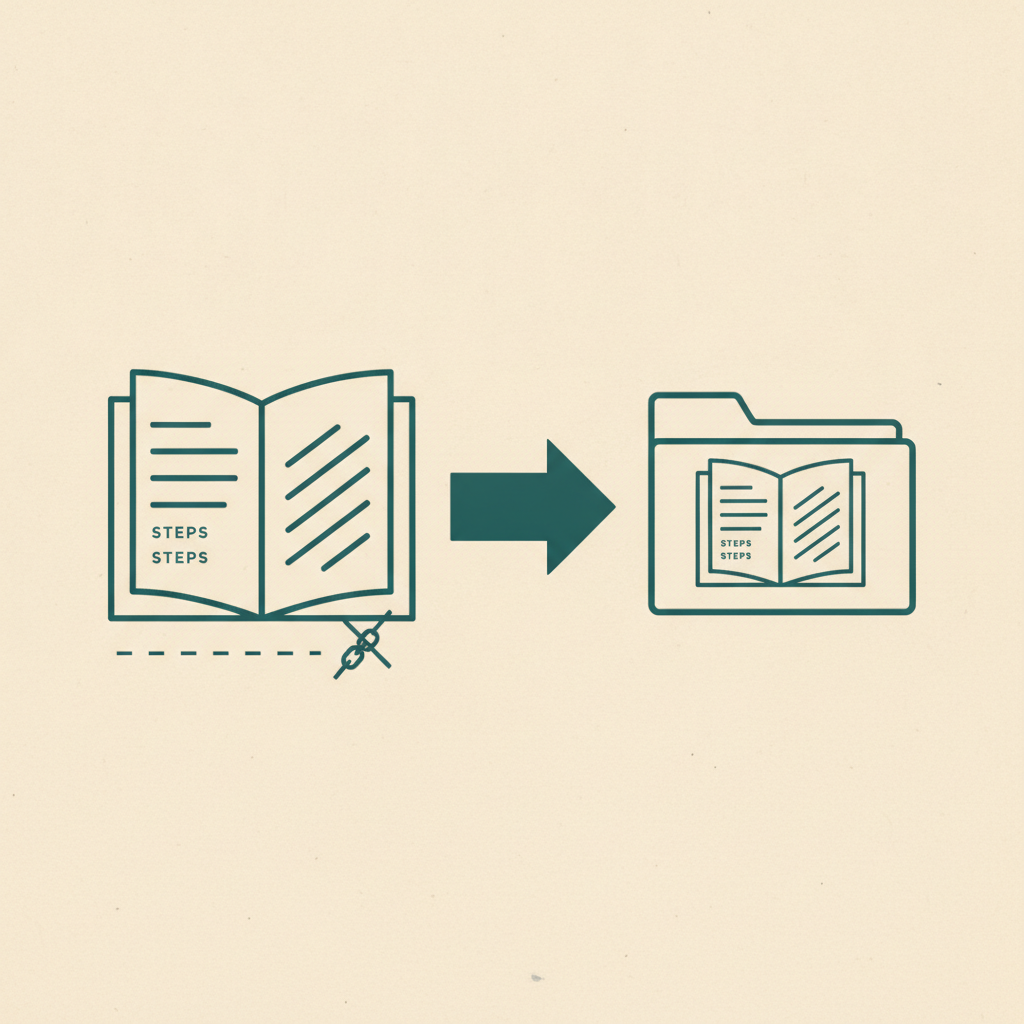
Pocket's export was a flat HTML file — every URL you'd ever saved, dumped into one list with no context restored. Ask around and you'll find plenty of people who dutifully clicked "export" in June 2025 and haven't opened the file since. A list of five hundred bare links, stripped of the reason you saved any of them, isn't a knowledge base. It's a chore with a due date, and once the due date passed, so did the motivation.
That's the first thing the Pocket shutdown proved: an export file is not a migration. It's an obligation you can quietly abandon.
The people who did migrate split into two camps
Of the users who actually acted on their export, most fell into one of two groups.
The article-only crowd wanted exactly what Pocket did and nothing more — save a link, read it later, offline if needed. Instapaper and Raindrop.io absorbed most of this group, because they're built for the same single job Pocket was.
Everyone else discovered something Pocket's shutdown forced into the open: their saving habits had already outgrown "articles." They were saving TikTok recipes, Instagram travel spots, and Google Maps pins alongside the occasional long read, and a Pocket-shaped replacement only solved a third of what they actually needed. That group is where Omniteca picked up the slack — not by being a better Pocket, but by not trying to be one.
The real shift wasn't tool-to-tool, it was habit-to-habit
If you looked at this purely as "which app replaced Pocket," you'd miss the bigger pattern. The shutdown landed at a moment when most people's saving behavior had already moved past plain links — TikTok and Instagram had become primary discovery surfaces for recipes, places, and products, not just articles. Pocket disappearing didn't create that shift. It just made it impossible to ignore, because the tool that broke was the one built for the old habit.
A year on, the tools that gained the most weren't the closest Pocket clones. They were the ones that treated a saved TikTok the same way Pocket treated a saved article: capture it, extract what's actually useful — the recipe's ingredients, the place's address — and file it somewhere findable, without asking the user to do that work by hand.
If you're still sitting on an unopened export file
If you're one of the people who exported and never followed through, that file is worth a look — not to import wholesale, but to skim for the handful of articles you actually still care about, and re-save those deliberately. Everything else earned its way into the trash by going untouched for a year. Our full Pocket migration guide and step-by-step practical guide both walk through exactly how to do that.
The bigger decision isn't which app inherits your old links. It's whether your next save-it-for-later tool is still built for a world where "saving something" meant one link from one kind of source — because that world ended before Pocket did.
Start your library with Omniteca — free to start, saves from TikTok, Instagram, YouTube, Facebook, and Google Maps, no import required.