Every few months, someone writes the same piece about "second brain" apps: you've saved thousands of notes, links, and screenshots, and you can't remember the last time you actually opened one. The conclusion is always the same — you're a digital hoarder, and hoarding is a discipline problem. Save less. Review more. Build the habit.
The critique isn't wrong. The diagnosis is
The accumulation is real. Open almost anyone's notes app, bookmarks folder, or camera roll and you'll find hundreds of things saved with real intent and never touched again. Where the usual takes go wrong is in blaming the person for it. Telling someone to "just review their saves more" is like telling someone to manually alphabetize a bookshelf that restacks itself into a random pile every time they add a book. The behavior isn't the failure. The system that made the behavior necessary is.
Capture was never the hard part
Tapping save takes a second. That's exactly why people do it constantly, and exactly why most save tools optimize for making that one second even faster — one more animation, one more haptic tap, one more "saved!" toast. None of that addresses what happens next. The moment after capture is where almost every one of these tools goes silent: the item lands in an undifferentiated pile, and whatever structure it needs — what it was, why it mattered, how to find it again — is left as homework for later.
The pile isn't proof you saved too much. It's proof nothing ever turned the pile into a library.
Where the interface actually breaks
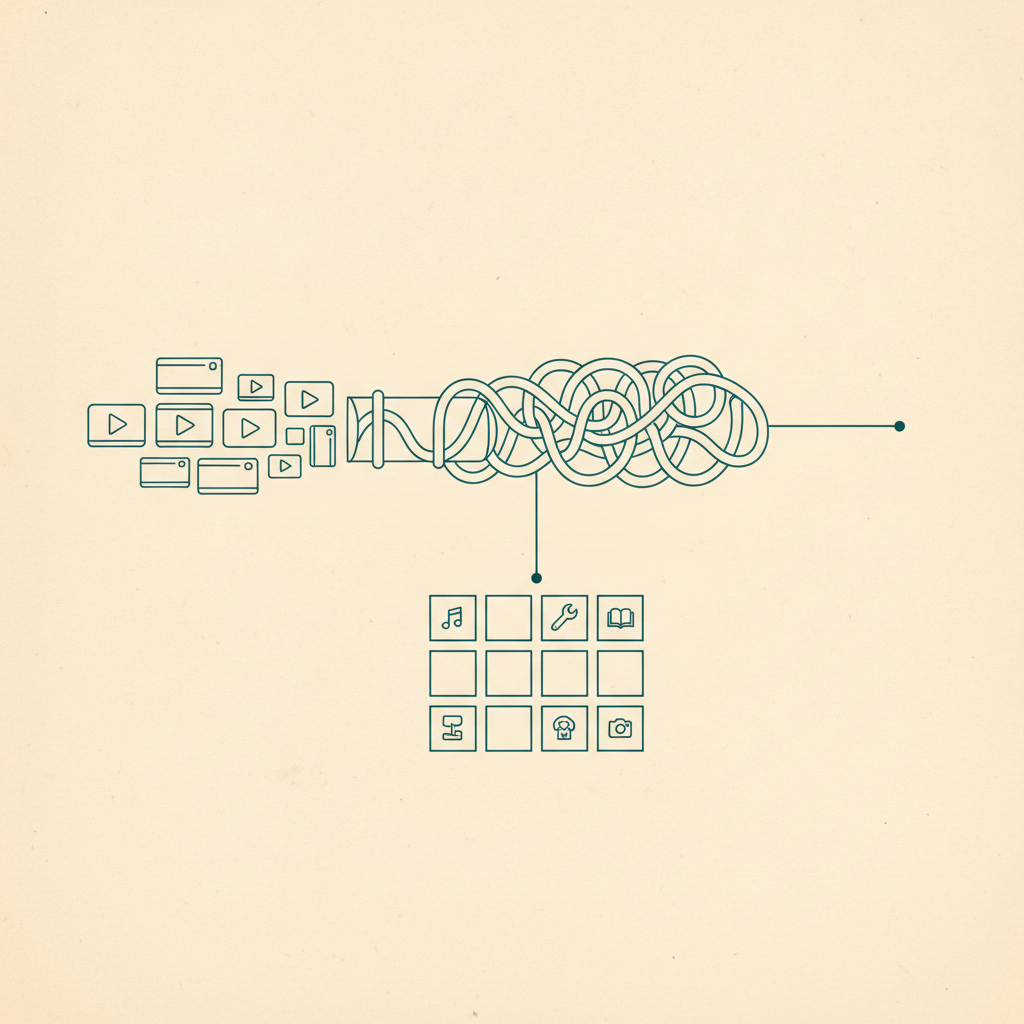
Look closely at what "retrieve nothing" actually means in practice, and it's rarely that the item is gone. It's still sitting there, technically saved. What's missing is any way to find it without already remembering what it was — a single search box searching titles and URLs, a flat list sorted by date added, no categories unless you built and maintained them yourself. That's not a content problem. It's an interface that put the entire cost of organizing on the one moment — after the save — when a person has the least motivation to pay it, because the save already felt like the task being done.
Structure at capture, not at retrieval
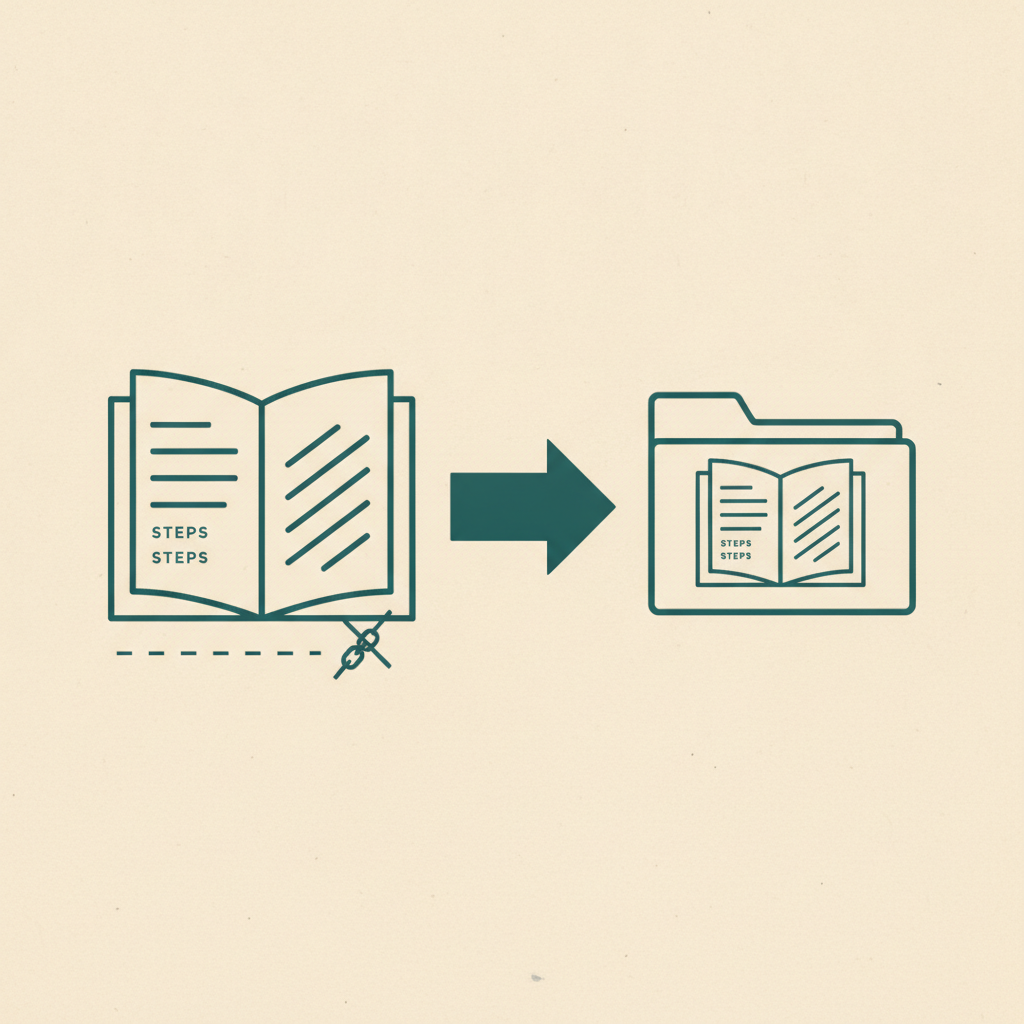
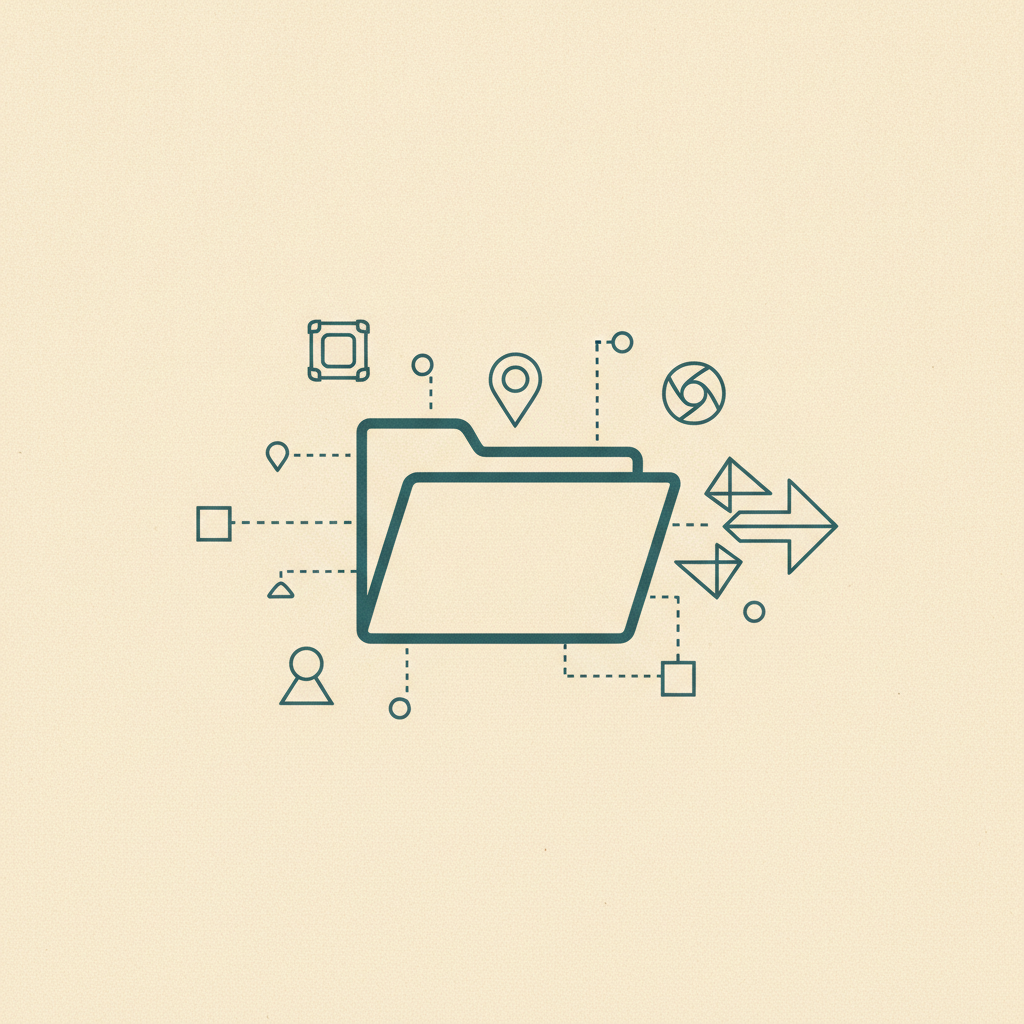
The fix isn't a better reminder to go back and tidy up. It's not asking a human to do that work at all. When Omniteca saves something — a TikTok recipe, an Instagram place, a YouTube video, a plain link — Gemini reads it at the moment of saving and extracts what it actually is: a recipe becomes ingredients and steps, a place becomes an address and a map link, a product becomes a brand and a price. The category and the useful details are attached before the save ever lands in your library, the same idea covered in building a personal knowledge base from social media — the organizing has to happen automatically, because manual organizing is exactly the step that never survives contact with a real, busy life.
This is a genuinely different approach from a general "save everything, sort it out later" tool like mymind, which stores whatever you send it and leaves the structuring to you after the fact — the same gap that turns a save into a pile in the first place. It's closer to what Pocket's shutdown accidentally proved: the tools people kept using weren't the ones that stored the most, they were the ones that made what they stored usable without extra effort.
The test that actually matters
Forget how much is saved. The only question worth asking is whether "that recipe from a few weeks ago" is a ten-second search or a guilty scroll through hundreds of unlabeled items. If it's the second one, more willpower won't fix it — a different interface will. See how to actually organize what you save for what that looks like once the categorizing happens at save time instead of never.
Start saving with structure built in — free to start, no manual filing required.
Frequently asked questions
Is digital hoarding actually a real problem, or just clutter?
It's real, but not in the way it's usually described. The issue isn't that you saved too much — it's that a save with no structure attached is as good as unsaved. Ten thousand well-organized items are a library. Ten thousand unstructured ones are just a bigger pile.
Why do I never go back and use anything I save to a 'second brain' app?
Because most of these tools stop working the moment you tap save. They store the item, but leave the categorizing, tagging, and filing to a future version of you who has even less context than you do right now. That review session almost never happens, so the pile just grows.
How is Omniteca different from a note-taking app for avoiding this?
A note-taking app captures whatever you type or paste. Omniteca reads what you save — a TikTok, an Instagram post, a Google Maps pin, a link — and extracts and files the useful parts automatically, the same moment you save it. There's no separate organizing step to skip.